
How the Subtlest Lighting Details Transform Outdoor Spaces
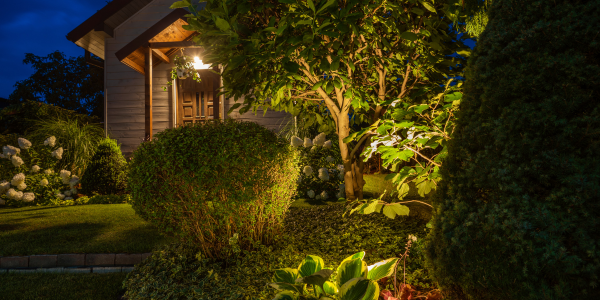
When it comes to outdoor lighting, it's easy to focus on the big picture, overall brightness, fixture style, or coverage. But the real magic happens in the details. The way light hits a tree trunk, the subtle glow on a stone path, or the gentle shadows cast by a well-placed fixture all come together to create a cohesive and inviting atmosphere. At Arbor Illuminations, we believe the difference between a lit yard and a beautifully illuminated one lies in the nuance.
1. Layered lighting adds depth
The most effective lighting designs use layers to create contrast and visual interest. Ambient lighting provides general illumination for safety and visibility. Accent lighting draws attention to specific features like architectural elements, trees, or garden beds. Task lighting focuses on areas where functionality is needed, like steps or entryways.
Blending all three layers prevents flatness and helps build a sense of structure and flow. Rather than flooding an area with light, layering encourages deliberate placement and thoughtful contrast.
2. Beam angle makes or breaks the mood
Many homeowners overlook beam angle when choosing fixtures, but it plays a huge role in how lighting interacts with the environment. Narrow beams (around 10 to 25 degrees) are ideal for spotlighting sculptures or small trees. Medium beams (30 to 45 degrees) work well on columns or wall washes. Wider beams (60+ degrees) are useful when you want to softly light larger areas like patios.
Choosing the right beam angle ensures the space feels sculpted rather than overly bright or washed out.
3. Color temperature sets the tone
The color temperature of a light—measured in Kelvin—affects ambiance. Warm white light (2700K to 3000K) offers a cozy, intimate glow that feels natural and comfortable. Cooler white (4000K or higher) tends to look brighter and more clinical, which is fine for security purposes but less desirable for entertainment zones.
When your goal is to create a calm, inviting space, warm tones usually win. Consistency across all fixtures helps unify the design and avoids harsh contrasts.
4. Fixture height and placement matters
Even a few inches can change how light behaves. Low-positioned uplights can elongate tree trunks or highlight stone textures. Mid-level fixtures along fences or garden walls provide soft background illumination without being harsh. Ground-level path lights add safety and subtle ambiance.
Placement should also consider the viewing angle. Fixtures should not cause glare or distract the eye. Proper installation ensures the light blends into the landscape naturally.
5. Shadows create mood and movement
Good lighting isn’t just about brightness. Shadows bring a sense of dimension and texture. Light filtering through leaves or playing across rough surfaces creates motion and visual interest. Strategic use of shadow can enhance drama or softness depending on how it's used.
Balancing light and shadow is a creative process that helps bring landscapes to life after dark.
6. Blending fixtures with the landscape
Fixtures should serve the lighting design without distracting from it. That means choosing finishes and styles that blend into their surroundings. Bronze, copper, and black finishes often fade into mulch, stone, or foliage during the day. At night, the focus should be on the effect—not the hardware.
Low-profile, weather-resistant fixtures designed for durability help ensure the lighting looks natural and lasts through every season.
7. Smart adjustment and seasonal maintenance
Outdoor lighting isn’t “set it and forget it.” Landscapes grow and change. Trees get fuller, flowers bloom or die back, and weather impacts placement. That’s why adjustable fixtures and flexible designs are so valuable.
Seasonal maintenance helps keep lighting aligned with your yard’s evolution. Small changes—like rotating a fixture, cleaning a lens, or trimming a branch—can make a major difference in performance.
8. A detail-focused design checklist
For those thinking about improving their lighting setup, consider these steps:
Walk the yard after sunset and take note of overly bright or dark areas.
Identify focal points worth highlighting.
Look for areas where light might be creating harsh shadows or glare.
Review fixture condition and adjust angles as needed.
Check consistency of color temperature across all lights.
Consider replacing outdated fixtures with more efficient or subtle designs.
Lighting is more than just a utility—it’s a design element that shapes how we experience outdoor spaces. By focusing on small adjustments and thoughtful placement, you can completely transform how your yard feels after dark. Arbor Illuminations is here to help you refine those details and bring your landscape to life with care and intention.